

Best Places to Visit in Italy – 10 Beautiful Destinations
Discover the best places to visit in Italy, from Rome and Venice to the Amalfi Coast, Tuscany and the Dolomites. Explore 10 unforgettable destinations.
Best Places to Visit in Italy – 10 Beautiful Destinations
Italy is a country where ancient history, remarkable architecture, beautiful coastlines and delicious food come together. From the historic streets of Rome to the romantic canals of Venice and the dramatic landscapes of the Dolomites, there is something for every type of traveller.
Whether you are planning your first European holiday, a romantic getaway or a longer cultural journey, exploring the best places to visit in Italy can help you make the most of your trip. Each region offers a different experience, from historic cities and Renaissance art to peaceful lakes, mountain scenery and Mediterranean beaches.
Here are 10 beautiful destinations to consider when planning your Italian holiday.
1. Rome – The Eternal City
Rome is one of the most fascinating cities in Europe and an excellent starting point for a first visit to Italy. Its streets are filled with ancient landmarks, historic churches, impressive squares and traditional restaurants.
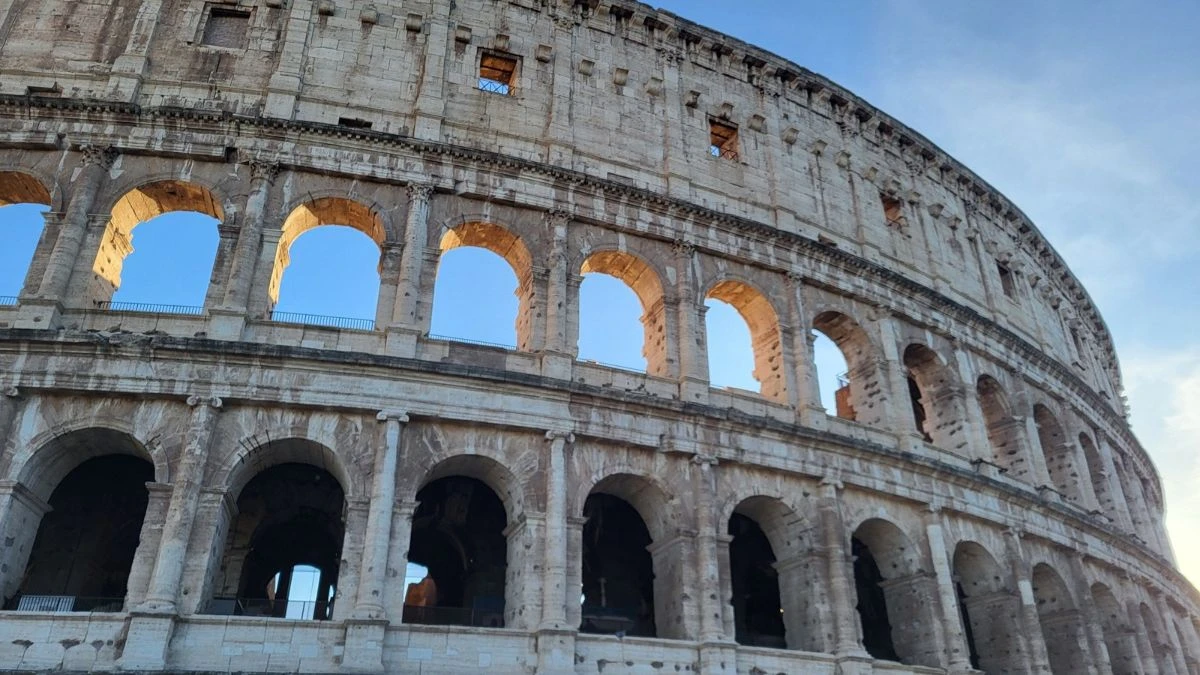
The Colosseum is among the city's most famous attractions, offering a glimpse into the history of the Roman Empire. Nearby, the Roman Forum and Palatine Hill reveal the remains of ancient public buildings, temples and palaces.
Other highlights include the Pantheon, Trevi Fountain, Piazza Navona and Vatican City, where visitors can explore St Peter's Basilica and the Vatican Museums.
Rome is also a wonderful place to experience Italian food. Visitors can enjoy local favourites such as carbonara, cacio e pepe and traditional Roman-style pizza.
Best for: Ancient history, architecture, museums and Italian food.
2. Venice – The City of Canals
Venice is one of Italy's most distinctive destinations, famous for its waterways, historic buildings and romantic atmosphere. Built across a group of islands in a lagoon, the city is connected by hundreds of bridges and narrow streets.
St Mark's Square is the heart of Venice and home to the impressive St Mark's Basilica and Doge's Palace. Visitors can also admire the Grand Canal, explore the Rialto Bridge and enjoy a traditional gondola ride through the smaller waterways.
For a different experience, take a boat trip to the nearby islands of Murano and Burano. Murano is known for its glassmaking heritage, while Burano attracts visitors with its colourful houses.
Venice is particularly appealing to couples, photographers and travellers interested in history and architecture.
Best for: Romantic holidays, photography, canals and historic architecture.
3. Florence – The Birthplace of the Renaissance
Florence is a must-visit destination for anyone interested in art, history and architecture. Located in Tuscany, the city played a major role in the Renaissance and remains one of Europe's most important cultural centres.
The Cathedral of Santa Maria del Fiore, commonly known as the Duomo, is one of Florence's most recognisable landmarks. Its magnificent dome dominates the city skyline.
Read more: Best Places to Visit in New Zealand – 10 Beautiful Destinations
Art enthusiasts should visit the Uffizi Gallery, which houses celebrated works by Renaissance artists. The Accademia Gallery is another popular attraction, particularly for Michelangelo's famous sculpture of David.
Visitors can also cross the historic Ponte Vecchio, explore Piazza della Signoria and enjoy panoramic views from Piazzale Michelangelo.
Florence is also an excellent destination for experiencing Tuscan cuisine and discovering traditional Italian cafés and markets.
Best for: Renaissance art, museums, architecture and culture.
4. Amalfi Coast – Italy's Spectacular Seaside Escape
The Amalfi Coast is one of the most beautiful coastal destinations in southern Italy. Stretching along the Tyrrhenian Sea, this famous coastline is known for its steep cliffs, colourful villages, scenic roads and spectacular sea views.
Positano is one of the coast's most photographed towns, with pastel-coloured houses cascading down the hillside towards the beach. Amalfi offers a charming historic centre, while Ravello is famous for its elegant gardens and panoramic viewpoints.
Visitors can explore small beaches, enjoy boat trips, sample fresh seafood and discover the region's traditional lemon-based specialities.
The coastal roads offer impressive views, although they can become busy during the peak summer season. Travelling by boat or public transport can be a convenient alternative for exploring some of the towns.
Best for: Coastal holidays, couples, sea views and scenic villages.
5. Cinque Terre – Colourful Villages by the Sea
Cinque Terre is a beautiful coastal area in the Liguria region of north-western Italy. It consists of five historic villages: Monterosso al Mare, Vernazza, Corniglia, Manarola and Riomaggiore.
These villages are famous for their colourful houses, rugged coastline, small harbours and terraced vineyards. Their dramatic setting overlooking the Ligurian Sea makes the area particularly popular with photographers and nature lovers.
Visitors can explore the villages by train, boat or on foot using designated walking trails. Some routes offer wonderful views of the coastline, although trail access and conditions can vary throughout the year.
Monterosso is known for its beaches, while Vernazza and Manarola are particularly popular for their picturesque waterfront scenery.
Cinque Terre is also a UNESCO World Heritage Site, recognised for its cultural landscape and traditional relationship between people and the surrounding environment.
Best for: Coastal walks, photography, colourful villages and nature.
6. The Dolomites – A Paradise for Mountain Lovers
The Dolomites are among the most spectacular mountain landscapes in northern Italy. Recognised as a UNESCO World Heritage Site, this mountain range is famous for its dramatic peaks, alpine meadows, clear lakes and picturesque villages.
Popular destinations include Cortina d'Ampezzo, Val Gardena and Alta Badia. Each offers opportunities to enjoy the mountain scenery through walking, cycling and outdoor activities.
Lago di Braies is one of the region's most photographed lakes, known for its clear water and impressive mountain backdrop. Tre Cime di Lavaredo is another highlight, attracting hikers with its distinctive mountain formations and scenic trails.
During winter, the Dolomites become a popular destination for skiing and snowboarding. In warmer months, visitors can enjoy hiking, cable-car journeys and peaceful mountain landscapes.
Best for: Hiking, skiing, mountain scenery and outdoor adventures.
7. Lake Como – A Peaceful Lakeside Retreat
Lake Como, located in northern Italy's Lombardy region, is famous for its beautiful scenery, elegant villas and charming lakeside towns. Surrounded by mountains, the lake offers a relaxing escape from busy city life.
Bellagio is one of its best-known destinations, with narrow streets, attractive gardens and waterfront views. Varenna is another charming town, offering colourful buildings and a peaceful atmosphere.
Visitors can explore the lake by ferry, visit historic villas or enjoy meals at restaurants overlooking the water. The surrounding villages also provide opportunities for walking and discovering traditional Italian life.
Lake Como is particularly popular with couples and travellers looking for a scenic and relaxing holiday.
Best for: Romantic breaks, boat trips, lakeside scenery and relaxation.
8. Naples – A City of History and Authentic Italian Food
Naples is a lively city in southern Italy with a rich history, distinctive culture and famous food traditions. Its historic centre is filled with narrow streets, churches, traditional shops and lively markets.
The city is widely associated with the origins of Neapolitan pizza, making it an excellent destination for food lovers. Visitors can also try local pastries, seafood dishes and other regional specialities.
Naples is an ideal base for exploring nearby attractions. The ancient ruins of Pompeii and Herculaneum offer fascinating insights into Roman life before the eruption of Mount Vesuvius in AD 79.
Visitors can also enjoy views of the Bay of Naples, explore the city's museums and discover its historic waterfront.
Best for: Local food, ancient history, culture and day trips.
9. Sicily – An Island of History, Beaches and Natural Beauty
Sicily is the largest island in the Mediterranean Sea and one of Italy's most diverse holiday destinations. It combines beautiful beaches, ancient archaeological sites, historic towns and dramatic volcanic landscapes.
Palermo, the island's capital, is known for its lively markets, impressive architecture and rich cultural heritage. Catania offers a different atmosphere, with historic streets and views of Mount Etna, one of Europe's most active volcanoes.
Taormina is another popular destination, famous for its ancient Greek theatre and spectacular coastal views. Visitors can also explore the Valley of the Temples near Agrigento, an important archaeological site featuring remarkably preserved Greek temples.
Sicily is also renowned for its food, including arancini, cannoli and traditional seafood dishes.
Best for: Beaches, archaeology, local food and cultural experiences.
10. Tuscany – Rolling Hills and Beautiful Countryside
Tuscany is one of Italy's most recognisable regions, celebrated for its rolling hills, vineyards, historic towns and beautiful countryside. It is an excellent destination for travellers who want to experience a slower pace of life.
Florence is the region's main cultural highlight, but Tuscany has much more to offer beyond its capital. Siena is famous for its medieval streets and historic Piazza del Campo, while San Gimignano attracts visitors with its distinctive medieval towers.
The Val d'Orcia countryside is particularly beautiful, with its rolling landscapes, cypress-lined roads and traditional farmhouses. Visitors can also explore the vineyards of the Chianti area and enjoy local food in small towns and villages.
Travelling through Tuscany by car can be a rewarding way to discover its countryside, although major towns and cities are also accessible by train.
Best for: Countryside holidays, historic villages, food and scenic drives.
Best Time to Visit Italy
The best time to visit Italy depends on the type of holiday you are planning.
-
Spring (March to May): A pleasant period for exploring historic cities, gardens and countryside, with generally milder temperatures than summer.
-
Summer (June to August): Popular for beach holidays, coastal destinations and outdoor activities. However, major tourist attractions can be crowded, and temperatures may become very high.
-
Autumn (September to November): A good time to enjoy food festivals, vineyards and sightseeing, particularly in September and October.
-
Winter (December to February): Suitable for exploring cities with fewer tourists and enjoying winter sports in the northern mountains.
For a balanced holiday with comfortable sightseeing conditions, spring and early autumn are often good choices.
How Many Days Do You Need to Explore Italy?
The time required to explore Italy depends on your interests and travel plans. A short holiday can cover a few major destinations, while a longer trip allows you to experience different regions.
For a first visit, consider spending around 7 to 10 days exploring Rome, Florence and Venice. With 10 to 14 days, you could add Tuscany, the Amalfi Coast or another destination.
If you have three weeks or more, consider exploring northern and southern Italy, including the Dolomites, Sicily or the coastal regions.
Rather than trying to visit every destination in one trip, choose places that are reasonably close to each other. This will help reduce travel time and leave more opportunities to enjoy each location.
Travel Tips for Visiting Italy
A little preparation can make your Italian holiday more enjoyable. Keep these practical points in mind before travelling:
-
Book popular attractions in advance: Major sites such as the Colosseum and Uffizi Gallery can attract large numbers of visitors.
-
Use trains between major cities: Italy has an extensive rail network, making trains a convenient option for many popular routes.
-
Check local transport options: Ferries, buses and regional trains can be useful for exploring coastal areas and smaller towns.
-
Pack comfortable footwear: Many historic centres have cobbled streets and require plenty of walking.
-
Learn a few Italian phrases: Simple expressions such as buongiorno (good morning) and grazie (thank you) can make everyday interactions easier.
-
Check seasonal conditions: Mountain trails, coastal transport and some attractions may have seasonal schedules or restrictions.
-
Respect local customs: Follow local rules at religious sites, restaurants and historic attractions.
Travellers should also check the latest entry requirements, visa rules and travel advice before departure.
Best Places to Visit in Italy

Dhums Desk is the core editorial and research team of Dhums, focused on bringing reliable, fact-checked information and insightful stories across multiple subjects that matter to everyday readers.










Comments (0)