

Best Places to Visit in Croatia – 10 Beautiful Destinations
Discover the best places to visit in Croatia, from the historic streets of Dubrovnik and Split to the stunning Plitvice Lakes, beautiful Adriatic islands and charming coastal towns. Explore the country's top attractions, beaches, national parks and unforgettable holiday destinations.
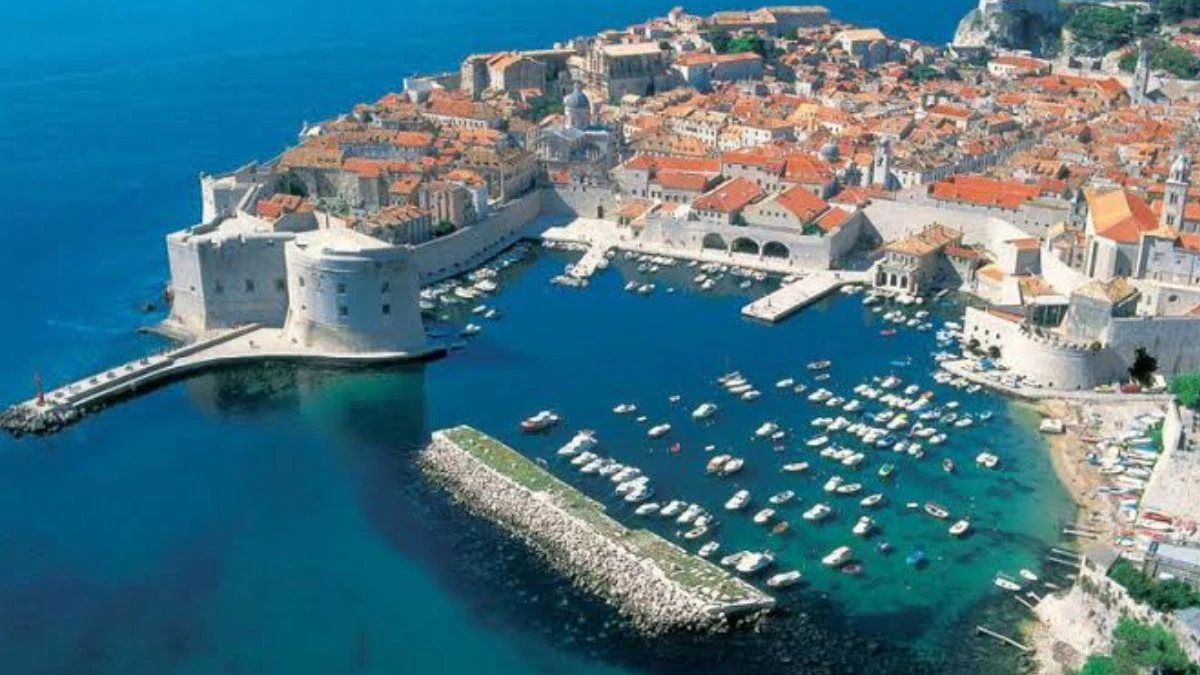
Best places to visit in Croatia include historic coastal cities, beautiful islands, spectacular national parks and charming seaside towns. Located in southeastern Europe along the Adriatic Sea, Croatia is known for its crystal-clear waters, medieval architecture, picturesque beaches and rich cultural heritage.
Whether you want to walk through the historic streets of Dubrovnik, explore the ancient Roman attractions in Split or enjoy the natural beauty of Plitvice Lakes, Croatia offers something for every type of traveller.
From the lively Dalmatian coast to the peaceful towns of the Istrian Peninsula, there are plenty of destinations to discover. Here are 10 of the best places to visit in Croatia for an unforgettable holiday.
1. Dubrovnik – The Pearl of the Adriatic
Dubrovnik is one of the best places to visit in Croatia, particularly for travellers interested in history, architecture and coastal scenery. Often called the Pearl of the Adriatic, this historic city is famous for its impressive stone walls, medieval streets and beautiful views over the sea.
The Old Town is a UNESCO World Heritage Site and one of the city's main attractions. Visitors can walk along the historic city walls, explore the limestone-paved Stradun and discover centuries-old churches, monasteries and palaces.
Dubrovnik also offers beautiful beaches, boat trips and opportunities to explore nearby islands.
Best things to do in Dubrovnik:
-
Walk along the historic city walls.
-
Explore the Old Town and Stradun.
-
Visit Rector's Palace.
-
Take a cable car to Mount Srđ.
-
Enjoy a boat trip to Lokrum Island.
Dubrovnik is an excellent choice for visitors looking for a combination of history, culture and spectacular seaside views.
2. Split – A City of Roman History and Coastal Beauty
Split is one of Croatia's most popular coastal destinations. Located along the Adriatic Sea, the city combines ancient Roman architecture, lively waterfront areas and beautiful beaches.
Its most famous attraction is Diocletian's Palace, a remarkable Roman complex that forms the heart of the historic city centre. The palace is part of a UNESCO World Heritage Site and is surrounded by narrow streets, restaurants, shops and historic buildings.
The Riva waterfront is another popular place to visit, offering a pleasant setting for walking, dining and enjoying views of the harbour.
Best things to do in Split:
-
Explore Diocletian's Palace.
-
Walk along the Riva waterfront.
-
Visit the Cathedral of Saint Domnius.
-
Relax at Bačvice Beach.
-
Take a ferry to nearby islands.
Split is ideal for travellers who want to combine historical sightseeing with beach activities and island excursions.
3. Plitvice Lakes National Park – A Natural Wonder
Plitvice Lakes National Park is one of the most beautiful natural attractions in Croatia. Famous for its turquoise lakes, cascading waterfalls and lush woodland, the park offers some of the country's most spectacular scenery.
It is a UNESCO World Heritage Site and features a series of interconnected lakes divided into upper and lower sections. Wooden walkways and designated paths allow visitors to explore the landscape and enjoy views of the waterfalls.
Read more: Best Places to Visit in Portugal – 10 Beautiful Destinations
The park is particularly attractive to nature lovers, photographers and people who enjoy walking outdoors.
Best things to do in Plitvice Lakes:
-
Walk along the wooden pathways.
-
Explore the upper and lower lakes.
-
See the impressive Veliki Slap waterfall.
-
Enjoy scenic views of the surrounding forests.
-
Take a boat ride on Kozjak Lake.
Visitors should allow plenty of time to explore the park. Swimming is not permitted in the lakes, so the experience is focused on walking and enjoying the natural scenery.
4. Hvar Island – Beautiful Beaches and Mediterranean Charm
Hvar is one of the most attractive islands in Croatia. Located in the Adriatic Sea, it is known for its sunny weather, historic architecture, beautiful beaches and lively atmosphere.
Hvar Town is the island's main tourist centre. Its historic harbour, stone streets and elegant buildings create a picturesque setting for visitors. The Spanish Fortress, also known as Fortica, offers impressive views over the town and nearby Pakleni Islands.
The island also has quieter villages, vineyards and secluded coastal areas for those who prefer a more relaxed holiday.
Best things to do on Hvar Island:
-
Explore the historic streets of Hvar Town.
-
Visit the Spanish Fortress.
-
Relax on the island's beaches.
-
Take a boat trip to the Pakleni Islands.
-
Discover local restaurants and vineyards.
Hvar is an excellent destination for travellers looking for sunshine, coastal scenery and a lively Mediterranean holiday.
5. Rovinj – A Charming Coastal Town
Rovinj is one of the most picturesque towns on the Istrian Peninsula in north-western Croatia. It is famous for its colourful buildings, narrow cobbled streets, historic harbour and beautiful Adriatic views.
The Old Town is built around a small peninsula, giving the town a distinctive coastal appearance. At its highest point stands the Church of St Euphemia, a prominent landmark overlooking the surrounding area.
Visitors can explore independent shops, enjoy seafood restaurants and relax by the waterfront. Nearby beaches and natural areas also make Rovinj a popular holiday destination.
Best things to do in Rovinj:
-
Explore the Old Town.
-
Visit the Church of St Euphemia.
-
Walk around the historic harbour.
-
Relax at nearby beaches.
-
Take a boat trip around the surrounding islands.
Rovinj is perfect for visitors who enjoy peaceful coastal towns, historic architecture and a relaxed atmosphere.
6. Zadar – Historic Attractions and Beautiful Sunsets
Zadar is a historic coastal city in northern Dalmatia. It offers a fascinating combination of Roman ruins, medieval churches, modern attractions and beautiful seaside views.
One of its most distinctive attractions is the Sea Organ, an architectural installation that uses the movement of sea waves to create musical sounds. Nearby, the Greeting to the Sun installation produces an impressive display of lights after sunset.
The city's historic centre is also worth exploring, with Roman remains, charming squares and traditional streets.
Best things to do in Zadar:
-
Listen to the Sea Organ.
-
Visit the Greeting to the Sun.
-
Explore the Roman Forum.
-
Discover the Church of St Donatus.
-
Enjoy the waterfront and sunset views.
Zadar is a great choice for travellers who want to experience Croatian history alongside modern attractions and coastal scenery.
7. Zagreb – Croatia's Capital and Cultural Centre
Zagreb is the capital of Croatia and a wonderful destination for visitors interested in culture, history and city life. Unlike the country's famous coastal resorts, Zagreb offers a different experience with historic squares, museums, parks and lively cafés.
The Upper Town is one of the most interesting areas to explore. It features St Mark's Church, historic streets and panoramic views across the city. Ban Jelačić Square is another important landmark and a popular meeting place.
Visitors can also discover the city's museums, galleries and traditional markets.
Best things to do in Zagreb:
-
Visit St Mark's Church.
-
Explore the Upper Town.
-
Walk around Ban Jelačić Square.
-
Discover Dolac Market.
-
Visit the Museum of Broken Relationships.
Zagreb is an excellent destination for a city break and provides a useful contrast to Croatia's beach and island holidays.
8. Krka National Park – Waterfalls and Natural Scenery
Krka National Park is one of Croatia's most popular nature destinations. Located in Dalmatia, it is known for its waterfalls, river landscapes, woodland and historic sites.
The park follows the Krka River and offers several scenic areas to explore. Skradinski Buk is among its most famous attractions, featuring a series of waterfalls and natural pools surrounded by greenery.
Visitors can follow designated walking routes, enjoy boat excursions and discover the area's natural and cultural heritage.
Best things to do in Krka National Park:
-
Visit the Skradinski Buk waterfalls.
-
Explore designated walking trails.
-
Enjoy a boat excursion.
-
Discover the historic sites within the park.
-
Photograph the river and surrounding landscapes.
Krka is a wonderful destination for nature lovers and can be included in a wider trip around the Dalmatian coast.
9. Korčula Island – History and Traditional Island Life
Korčula is a beautiful island in southern Croatia, known for its historic towns, traditional architecture, vineyards and clear coastal waters.
Korčula Town is the island's main attraction. Its medieval streets, stone buildings and fortified walls create an atmosphere that reflects its long history. The town is sometimes associated with Marco Polo, although the historical claim that he was born there is disputed.
Beyond the main town, visitors can discover small villages, quiet beaches and local vineyards.
Best things to do on Korčula Island:
-
Explore Korčula Old Town.
-
Visit St Mark's Cathedral.
-
Discover traditional villages.
-
Enjoy local seafood and wines.
-
Relax on the island's beaches.
Korčula is ideal for travellers who want to enjoy a quieter island holiday with plenty of history and natural beauty.
10. Pula – Roman Heritage and Coastal Attractions
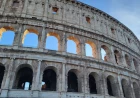
Pula is a historic city in the southern part of the Istrian Peninsula. It is best known for its impressive Roman amphitheatre, one of the best-preserved ancient arenas in the world.
The Pula Arena is the city's most recognisable landmark and a major attraction for visitors interested in Roman history. Other historic sites include the Temple of Augustus, the Arch of the Sergii and the remains of the ancient Roman forum.
Pula also provides access to beautiful beaches and the nearby Brijuni Islands, a group of islands known for their natural surroundings and historical attractions.
Best things to do in Pula:
-
Visit the Pula Arena.
-
Explore the Temple of Augustus.
-
See the Arch of the Sergii.
-
Walk around the historic city centre.
-
Take a trip to Brijuni National Park.
Pula is a great destination for combining historical sightseeing with a relaxing coastal holiday.
Best Time to Visit Croatia
The best time to visit Croatia depends on your preferred activities, budget and the type of holiday you are planning. The country has a Mediterranean climate along much of its coast, while inland areas experience more continental weather.
Spring (March to May)
Spring is a pleasant time to explore Croatia's cities, historic attractions and national parks. Temperatures gradually become warmer, and many destinations are less crowded than during the summer peak.
It is a good season for visiting Zagreb, Dubrovnik, Split and Plitvice Lakes.
Summer (June to August)
Summer is the most popular season for beach holidays in Croatia. Warm weather, long daylight hours and lively coastal towns make it an excellent time for swimming, sailing and island-hopping.
Destinations such as Hvar, Dubrovnik, Split and Rovinj attract many visitors during these months. However, popular attractions can become crowded, and accommodation may be more expensive.
Autumn (September to October)
Autumn is a good time to explore Croatia with fewer summer crowds. The sea can remain warm enough for swimming in early autumn, while the weather is often suitable for sightseeing and outdoor activities.
September is particularly attractive for coastal holidays and island visits.
Winter (November to February)
Winter is generally quieter along the Adriatic coast. Some island services, tourist facilities and seasonal businesses operate less frequently, but cities such as Zagreb, Split and Dubrovnik remain worth exploring.
Zagreb is especially popular during the festive season, with Christmas markets and seasonal events.
How Many Days Do You Need to Explore Croatia?
The time required to explore Croatia depends on how many destinations you want to visit and how much time you plan to spend travelling between them.
-
3–4 days: Explore Dubrovnik or Split and nearby attractions.
-
5–7 days: Combine Split, Hvar and other Dalmatian coastal destinations.
-
7–10 days: Visit Dubrovnik, Split, Zadar and selected national parks.
-
10–14 days: Explore a wider range of destinations, including Istria, Dalmatia and the islands.
For a more relaxed holiday, choose a particular region rather than trying to cover the entire country in one trip.
Travel Tips for Visiting Croatia
Before travelling to Croatia, consider these practical tips to make your holiday easier and more enjoyable.
Plan your transport: Croatia has bus and ferry connections between many popular destinations. A hire car can be useful for exploring rural areas and smaller coastal towns.
Check ferry schedules: Island connections can vary depending on the season. Check routes and timetables before booking accommodation.
Book popular attractions early: Hotels, boat trips and some major attractions can become busy during the summer months.
Wear comfortable footwear: Historic towns often have stone streets, steps and uneven surfaces.
Prepare for different weather conditions: Coastal areas can be hot in summer, while inland and mountainous regions may be cooler.
Respect natural areas: Follow marked paths in national parks and check local rules before swimming or taking part in outdoor activities.
Check entry requirements: Croatia is part of the European Union and the Schengen Area. Travellers should check the latest visa and entry requirements for their nationality before departure.
Best Places to Visit in Croatia
Croatia offers an impressive mix of historic cities, beautiful islands, national parks and scenic coastal towns. Dubrovnik is ideal for medieval architecture and sea views, Split offers fascinating Roman history, and Plitvice Lakes is a must-visit destination for nature lovers.
For a relaxing island holiday, Hvar and Korčula are excellent choices. Meanwhile, Rovinj and Pula provide a wonderful introduction to the history and coastal beauty of the Istrian Peninsula.
Whether you are planning a short city break, a beach holiday or a longer road trip, these destinations offer plenty of reasons to discover Croatia.

Dhums Desk is the core editorial and research team of Dhums, focused on bringing reliable, fact-checked information and insightful stories across multiple subjects that matter to everyday readers.






Comments (0)