

Best Places to Visit in Europe – 10 Beautiful Destinations
Explore the best places to visit in Europe, from the romantic streets of Paris and historic Rome to the Swiss Alps, Greek islands and scenic cities of Central Europe.

Best Places to Visit in Europe – 10 Beautiful Destinations
Europe is home to some of the world's most fascinating travel destinations, offering a remarkable mix of historic cities, beautiful coastlines, charming villages and breathtaking natural landscapes. From the romantic atmosphere of Paris to the mountain scenery of Switzerland and the sunny beaches of Greece, the continent has something for every traveller.
Whether you are planning your first European holiday, a romantic escape or an adventurous journey, choosing the right destinations can make your trip more memorable. Each country has its own culture, traditions, cuisine and attractions, making Europe an exciting place to explore.
If you are wondering where to begin, here are 10 of the best places to visit in Europe for an unforgettable holiday.
1. Paris, France – The City of Love
Paris is one of Europe's most iconic cities and a favourite destination for travellers from around the world. Known for its elegant architecture, world-famous museums, fashionable streets and romantic atmosphere, the French capital offers an unforgettable city-break experience.
The Eiffel Tower is the city's most recognisable landmark, providing impressive views across Paris. Visitors can also explore the Louvre Museum, admire Notre-Dame Cathedral and walk along the River Seine.
The historic neighbourhood of Montmartre is another popular attraction, with its artistic heritage, charming cafés and beautiful streets. Paris is also famous for its food, from freshly baked croissants and traditional French pastries to fine dining experiences.
Best for: Romance, art, architecture, shopping and culture.
2. Rome, Italy – A Journey Through Ancient History
Rome is a remarkable destination where ancient history and modern city life come together. As the capital of Italy, it is home to extraordinary historical landmarks, impressive architecture and some of the country's best-known food traditions.
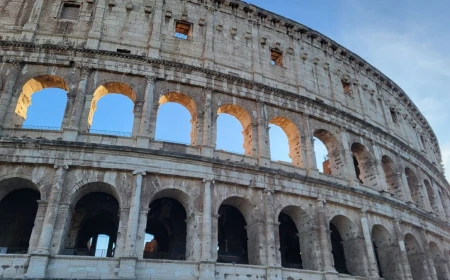
The Colosseum is one of the city's most famous attractions, offering visitors a glimpse into the entertainment and history of the Roman Empire. Nearby, the Roman Forum and Palatine Hill reveal the remains of ancient Rome.
Other highlights include the Pantheon, Trevi Fountain and Piazza Navona. Visitors can also explore Vatican City, where St Peter's Basilica and the Vatican Museums attract millions of visitors.
After sightseeing, enjoy traditional Italian dishes such as pasta carbonara, pizza and gelato at a local restaurant.
Best for: Ancient history, architecture, food and cultural experiences.
3. Swiss Alps, Switzerland – A Paradise for Nature Lovers
The Swiss Alps are among the most beautiful mountain destinations in Europe. Famous for their snow-covered peaks, peaceful villages, crystal-clear lakes and scenic railway journeys, they offer an unforgettable experience throughout the year.
Zermatt is one of Switzerland's best-known mountain destinations, located beneath the impressive Matterhorn. Visitors can enjoy mountain views, hiking routes and winter sports.
Read more: Best Places to Visit in Italy – 10 Beautiful Destinations
Interlaken is another popular base for exploring the surrounding alpine scenery. Nearby, Lauterbrunnen is famous for its dramatic valley, waterfalls and traditional Swiss villages.
During summer, travellers can enjoy hiking, cycling and mountain excursions. In winter, the region becomes a favourite destination for skiing and snowboarding.
Best for: Mountain scenery, hiking, skiing and outdoor adventures.
4. Barcelona, Spain – Architecture, Beaches and Culture
Barcelona is one of Spain's most exciting destinations, combining beautiful beaches, historic neighbourhoods and distinctive architecture. Located along the Mediterranean coast, the city attracts travellers looking for both relaxation and cultural experiences.
The Sagrada Família is Barcelona's most famous landmark, known for its extraordinary design by Antoni Gaudí. Park Güell is another popular attraction, featuring colourful mosaics, artistic structures and impressive city views.
Visitors can explore the lively streets of the Gothic Quarter, stroll along La Rambla and relax at Barceloneta Beach. The city also offers a rich food culture, including tapas, seafood and traditional Catalan dishes.
Barcelona is an excellent choice for travellers who want to combine sightseeing with a seaside holiday.
Best for: Architecture, beaches, food, shopping and city breaks.
5. Venice, Italy – The Romantic City of Canals
Venice is one of Europe's most distinctive destinations, famous for its canals, historic buildings and picturesque bridges. Built across a lagoon in north-eastern Italy, the city offers a travel experience unlike anywhere else.
St Mark's Square is the heart of Venice and home to the impressive St Mark's Basilica and Doge's Palace. The Grand Canal provides beautiful views of historic buildings, while the Rialto Bridge is one of the city's most recognisable landmarks.
A gondola ride is a popular way to experience Venice's waterways. Visitors can also take boat trips to Murano, known for its glassmaking traditions, and Burano, famous for its colourful houses.
Exploring Venice on foot is equally rewarding, with quiet lanes and small squares waiting to be discovered.
Best for: Romantic holidays, photography, history and unique city experiences.
6. Santorini, Greece – Stunning Island Views
Santorini is one of the most beautiful islands in Greece, attracting visitors with its whitewashed buildings, blue-domed churches and spectacular views across the Aegean Sea.
The villages of Oia and Fira are among the island's most popular places to explore. Oia is particularly famous for its sunsets, while Fira offers restaurants, shops and panoramic views of the volcanic caldera.
Visitors can enjoy boat excursions, explore volcanic beaches and discover traditional Greek food. Red Beach and Perissa Beach are among the island's well-known coastal attractions.
Santorini is especially popular with couples and honeymooners, although its scenery and relaxed atmosphere appeal to many types of travellers.
Best for: Romantic escapes, island holidays, sunsets and coastal scenery.
7. Amsterdam, Netherlands – Canals, Museums and Charming Streets
Amsterdam is a beautiful European city known for its historic canals, narrow houses, cycling culture and world-class museums. Its compact layout makes it an enjoyable destination for exploring on foot, by bicycle or by boat.
The Rijksmuseum is a major attraction, displaying important works of Dutch art and history. Art lovers can also visit the Van Gogh Museum, while the Anne Frank House offers a moving insight into the history of the Second World War.
A canal cruise is one of the best ways to admire the city's architecture and historic waterways. Visitors can also explore the Jordaan neighbourhood, enjoy traditional Dutch cafés and discover local markets.
During spring, nearby tulip gardens and flower fields make the Netherlands particularly attractive to visitors.
Best for: Museums, canal cruises, cycling and cultural holidays.
8. Prague, Czechia – A Fairytale European City
Prague is one of Central Europe's most beautiful cities, known for its medieval architecture, historic bridges and charming old streets. The Czech capital offers a fascinating combination of history, culture and picturesque scenery.
Prague Castle is one of the city's most important landmarks, overlooking the historic centre from above. Visitors can also walk across Charles Bridge, admire the Astronomical Clock in Old Town Square and explore the narrow streets of the Old Town.
The city's traditional cafés, riverside views and historic buildings create a distinctive atmosphere throughout the year. Prague is also a convenient destination for travellers interested in exploring other Central European cities.
Its combination of architecture, culture and relatively compact attractions makes it an excellent choice for a short European holiday.
Best for: Historic architecture, photography, culture and city breaks.
9. Dubrovnik, Croatia – The Pearl of the Adriatic
Dubrovnik is a spectacular coastal city in southern Croatia, famous for its historic stone walls, terracotta rooftops and clear blue waters. Its old town is a UNESCO World Heritage Site and one of the Adriatic region's most recognisable destinations.
Walking along the city walls is one of the best ways to enjoy panoramic views of the historic buildings and surrounding coastline. Visitors can also explore Stradun, the main street of the old town, and discover historic churches, monasteries and squares.
The nearby Adriatic coastline offers opportunities for swimming, boat trips and island excursions. Lokrum Island is a popular choice for a short escape from the busy city centre.
Dubrovnik is particularly appealing to travellers who enjoy historic towns and beautiful coastal scenery.
Best for: Coastal holidays, historic sites, photography and island trips.
10. Norwegian Fjords, Norway – Breathtaking Natural Landscapes
Norway's fjords are among Europe's most impressive natural attractions. Surrounded by towering mountains, waterfalls and deep blue waterways, these landscapes offer some of the continent's most memorable outdoor experiences.
Geirangerfjord is one of the best-known fjords, recognised for its dramatic scenery and beautiful waterfalls. Nærøyfjord is another remarkable destination, with steep mountains rising on both sides of its narrow waters.
Visitors can explore the fjords by boat, enjoy scenic drives, go hiking or discover small villages along the coastline. The region also offers opportunities to experience traditional Norwegian culture and local cuisine.
Summer is particularly popular for sightseeing and outdoor activities, while winter brings a quieter atmosphere and opportunities to explore Norway's snowy landscapes.
Best for: Nature, scenic cruises, hiking and photography.
Best Time to Visit Europe
The best time to visit Europe depends on the destinations you want to explore and the type of holiday you prefer.
-
Spring (March to May): A pleasant time for city breaks, sightseeing and exploring gardens. Many destinations enjoy mild temperatures, while popular attractions are often less crowded than in peak summer.
-
Summer (June to August): Ideal for beach holidays, island trips and outdoor adventures. However, popular destinations can become crowded, and southern Europe can experience high temperatures.
-
Autumn (September to November): A good season for sightseeing, countryside trips and food experiences. September and October are particularly attractive in many European destinations.
-
Winter (December to February): Perfect for skiing in the Alps, visiting Christmas markets and enjoying quieter city breaks in many destinations.
For a combination of comfortable weather and manageable crowds, late spring and early autumn are often excellent choices.
How Many Days Do You Need to Explore Europe?
The amount of time you need depends on your travel plans and how many countries you want to visit.
For a short holiday of 7 to 10 days, it is usually better to focus on one or two countries. For example, you could explore Paris and Amsterdam or visit Rome, Florence and Venice.
A 10 to 14-day trip allows you to experience several destinations at a more comfortable pace. You could combine cities with nearby countryside or coastal regions.
If you have three weeks or more, you can plan a wider journey through Western, Central or Southern Europe. However, travelling between too many countries can make a holiday tiring, so allow enough time to enjoy each destination.
Travel Tips for Visiting Europe
Planning ahead can help you enjoy a smoother and more comfortable European holiday. Consider these useful tips before travelling:
-
Check visa requirements: Entry rules differ depending on your nationality and destination. Check the latest requirements before booking.
-
Plan your route: Choose destinations that are reasonably close to one another to reduce unnecessary travel time.
-
Use trains where practical: European rail networks connect many major cities and can make cross-border travel convenient.
-
Book popular attractions early: Famous museums, historic sites and guided tours can sell out, particularly during peak season.
-
Choose the right season: Consider local weather, tourist crowds and seasonal transport when planning your trip.
-
Carry suitable clothing: European weather varies considerably between countries and regions, so pack according to your itinerary.
-
Respect local customs: Learn a few basic local phrases and follow cultural guidelines at religious and historic sites.
-
Keep travel documents secure: Carry the necessary identification, booking information and travel insurance details.
Travellers should also check current transport arrangements and entry requirements before departure.
Best Places to Visit in Europe

Dhums Desk is the core editorial and research team of Dhums, focused on bringing reliable, fact-checked information and insightful stories across multiple subjects that matter to everyday readers.













Comments (0)