
How to Test Smoke Detectors
How to Test Smoke Detectors is an essential home safety practice that helps protect your family during a fire emergency. This complete guide explains how to test smoke detectors properly, hardwired smoke detectors, smoke and carbon monoxide detectors, interconnected systems, duct smoke detectors, and old smoke detectors. Learn how often to test smoke detectors and keep your home protected year-round.
 Dhums
Dhums
How to Test Smoke Detectors
How to Test Smoke Detectors is one of the easiest yet most important home maintenance tasks. Smoke detectors provide an early warning during a fire, giving you and your family valuable time to escape safely. However, simply installing a detector isn't enough. Every smoke detector should be tested regularly to ensure it works correctly when needed.
Whether your home uses battery-operated alarms, hardwired systems, or combination smoke and carbon monoxide detectors, regular testing helps keep your family protected.
Why Testing Smoke Detectors Is Important
Smoke detectors can save lives, but only if they are working properly. Over time, batteries weaken, sensors collect dust, and electronic components wear out.
Regular testing helps you:
- Verify the alarm works correctly.
- Check battery performance.
- Detect faults early.
- Reduce the risk of alarm failure.
- Improve overall home fire safety.
Most fire safety organizations recommend testing smoke detectors every month.
How to Test Smoke Detectors Properly
Many homeowners search for how to test smoke detectors properly because simply pressing the alarm isn't always enough.
Follow these steps:
- Locate every smoke detector in your home.
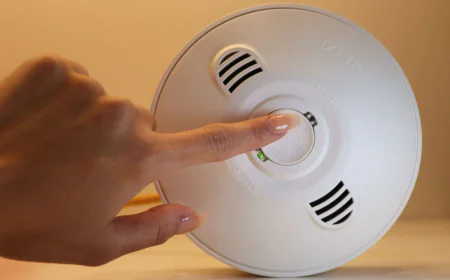
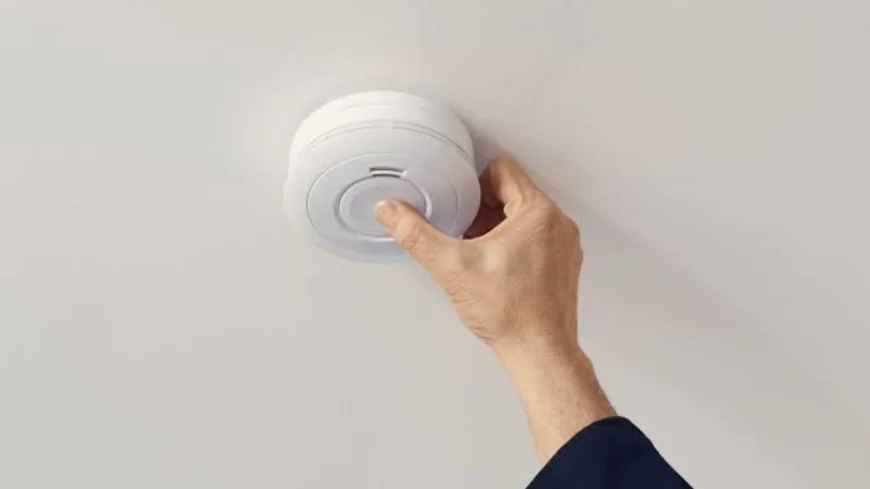
- Press and hold the Test button for about five seconds.
- Listen for a loud, continuous alarm.
- Check that indicator lights function normally.
- Clean dust from the detector using a soft brush or vacuum.
- Test every smoke detector individually.
If an alarm does not sound, replace the battery or the detector if necessary.
How to Test Home Smoke Detectors
If you're wondering how to test home smoke detectors, the process is simple.
Walk through your home and test every detector, including those located in:
- Bedrooms
- Hallways
- Stairways
- Basement
- Living room
- Garage (if recommended by the manufacturer)
Testing all detectors ensures complete protection throughout the house.
How to Test Your Smoke Detectors
Knowing how to test your smoke detectors should become part of your monthly home maintenance routine.
A simple checklist includes:
- Press the Test button.
- Confirm the alarm is loud.
- Inspect for physical damage.
- Check battery condition.
- Remove dust and cobwebs.
- Replace expired detectors.
Monthly testing only takes a few minutes but can make a significant difference during an emergency.
How to Test Hardwired Smoke Detectors
Many modern homes use interconnected electrical systems, so people often ask how to test hardwired smoke detectors.
Testing is similar to battery-operated alarms.
Press the Test button until the alarm sounds.
If your detectors are interconnected, activating one alarm should trigger every connected alarm in the home.
If only one detector sounds, the interconnected system may require inspection.
How to Test Smoke Detectors Hard Wired
If you're searching for how to test smoke detectors hard wired, remember that these detectors receive electricity from your home's wiring but usually include a backup battery.
To test them:
- Press the Test button.
- Confirm every connected alarm activates.
- Check the backup battery.
- Restore power if necessary.
- Test again after maintenance.
Even hardwired detectors require regular testing.
How to Test Hard Wired Smoke Detectors
Understanding how to test hard wired smoke detectors helps ensure both electrical power and battery backup are functioning correctly.
If your home recently experienced a power outage, verify that every detector still operates using its backup battery.
This extra step improves overall reliability during emergencies.
How to Test Smoke and Carbon Monoxide Detectors
Combination alarms are becoming increasingly common. If you need to know how to test smoke and carbon monoxide detectors, use the built-in Test button according to the manufacturer's instructions.
Some models perform both smoke and carbon monoxide tests simultaneously, while others have separate testing functions.
Always confirm both sensors operate correctly.
How Often to Test Smoke Detectors
One of the most common questions is how often to test smoke detectors.
Most safety experts recommend:
- Test monthly.
- Replace batteries every year unless using sealed batteries.
- Clean detectors every few months.
- Replace detectors every ten years.
Following this schedule helps maximize protection.
How Often to Test Smoke and CO Detectors
People also search how often to test smoke and CO detectors.
The recommendation is generally the same:
- Test every month.
- Replace batteries annually if applicable.
- Follow the manufacturer's replacement schedule.
Carbon monoxide is odorless and invisible, making regular testing especially important.
How to Test Interconnected Smoke Detectors
Many newer homes include interconnected alarm systems.
When learning how to test interconnected smoke detectors, press the Test button on one detector.
A properly functioning interconnected system should cause every connected alarm to sound.
If only one alarm activates, there may be a wiring or communication issue that requires professional inspection.
Read more: How to Test Smoke Alarm
How to Test Duct Smoke Detectors
Commercial buildings often use HVAC detection systems, leading many people to ask how to test duct smoke detectors.
These detectors should generally be tested by trained maintenance personnel using manufacturer-approved procedures.
Testing usually includes:
- Functional testing.
- Airflow verification.
- Sensor inspection.
- Cleaning.
- Control panel confirmation.
Routine maintenance helps ensure reliable fire detection throughout the ventilation system.
How to Test Old Smoke Detectors
Many homeowners still have aging alarms installed.
If you're wondering how to test old smoke detectors, begin by checking the manufacturing date.
Most smoke detectors should be replaced after about ten years.
If the detector still operates within its recommended lifespan:
- Replace the battery.
- Press the Test button.
- Clean the sensor.
- Verify the alarm is loud.
If the detector fails any test or exceeds its service life, replace it immediately.
Common Smoke Detector Problems
Even well-maintained smoke detectors can develop problems.
Common issues include:
Chirping Sounds
Usually caused by:
- Low battery
- Loose battery
- End-of-life warning
No Alarm During Testing
Possible causes include:
- Dead battery
- Electrical failure
- Internal damage
False Alarms
False alarms may result from:
- Cooking smoke
- Steam
- Dust
- Insects
- Poor installation location
Cleaning and proper placement often solve these issues.
Smoke Detector Maintenance Tips
Besides testing, proper maintenance improves reliability.
Experts recommend:
- Vacuum detectors regularly.
- Replace batteries as recommended.
- Keep alarms free of dust.
- Never paint over detectors.
- Never remove batteries permanently.
- Replace expired alarms immediately.
Routine maintenance keeps your home protected throughout the year.
Frequently Asked Questions
Can I test smoke detectors every week?
Yes. Weekly testing is safe, although monthly testing is generally recommended.
Should I use real smoke?
For routine maintenance, the Test button is sufficient. Approved smoke detector test sprays may be used when recommended by the manufacturer.
Why is my smoke detector still chirping after changing the battery?
The battery may not be installed correctly, the detector may require a reset, or the unit may have reached the end of its service life.
Do hardwired smoke detectors need batteries?
Yes. Most hardwired smoke detectors include backup batteries that allow them to continue operating during power outages.
How long do smoke detectors last?
Most manufacturers recommend replacing smoke detectors every 10 years.