
How to Test Smoke Alarm
How to Test Smoke Alarm is an essential home safety skill that every homeowner and renter should know. Learn how to test smoke alarm battery, how to test smoke alarm after changing battery, how to test smoke alarm with no test button, and other common methods. This complete guide covers smoke alarm testing, maintenance, troubleshooting, and expert fire safety tips.
 Dhums
Dhums
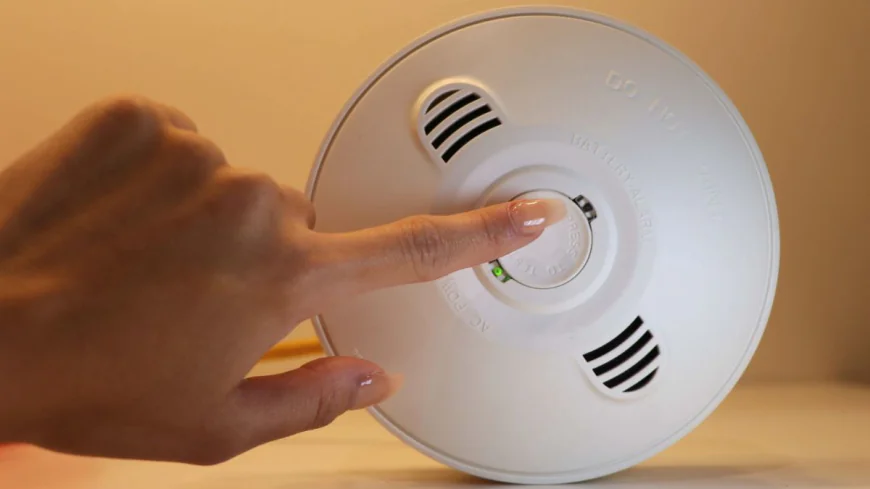
How to Test Smoke Alarm is one of the most important home safety tasks you can perform. A properly functioning smoke alarm provides an early warning during a fire, giving you and your family valuable time to escape safely. Unfortunately, many people install smoke alarms but rarely test them, which can leave their homes unprotected if the device fails during an emergency.
Whether you live in a house, apartment, or office, knowing how to test smoke alarm correctly can help ensure your smoke detector is always ready when you need it most. This guide explains everything from testing the alarm button to checking the battery, troubleshooting common issues, and following fire safety recommendations.
Why Testing Your Smoke Alarm Is Important
Smoke alarms save thousands of lives every year by detecting smoke before a fire spreads. However, even the best smoke detector can fail if its battery is dead, its sensor is dirty, or the device has reached the end of its lifespan.
Regular testing helps you:
- Verify the alarm is working correctly.
- Check that the battery has enough power.
- Detect faults before an emergency occurs.
- Keep your family protected 24 hours a day.
- Comply with local fire safety recommendations.
Most fire safety organizations recommend testing every smoke alarm at least once each month.
How to Test Smoke Alarm
Testing a smoke alarm is quick and simple.
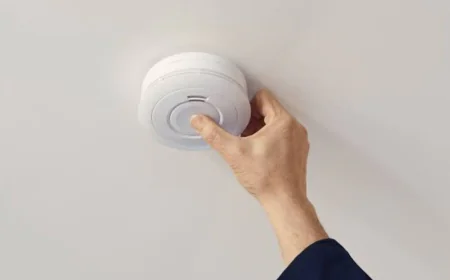
Step 1: Locate the Test Button
Almost every modern smoke alarm has a button labeled Test or Test/Silence.
Step 2: Press and Hold the Button
Press and hold the button for 5–10 seconds.
The alarm should produce a loud warning sound.
Step 3: Listen Carefully
The sound should be clear, loud, and continuous.
If the alarm sounds normally, the unit is functioning correctly.
Step 4: Release the Button
Release the button once you've confirmed the alarm works.
The alarm should stop after a few seconds.
This is the easiest and safest way to how to test smoke alarm at home without special equipment.
Read more: Hostinger Coupon Code July 2026
How to Test Smoke Alarm Battery
Many homeowners ask how to test smoke alarm battery because batteries are one of the most common causes of alarm failure.
To check the battery:
- Press the Test button.
- Listen for a strong alarm sound.
- If the sound is weak or the alarm does not activate, replace the battery.
- After replacing it, test the alarm again.
If your smoke alarm chirps every few minutes, it usually indicates a low battery or another maintenance issue.
How to Test Smoke Alarm After Changing Battery
If you've recently installed a new battery, you should immediately learn how to test smoke alarm after changing battery.
Follow these steps:
- Install the battery correctly.
- Close the battery compartment securely.
- Press the Test button.
- Wait for the alarm to sound.
- Verify the sound is loud and clear.
If the alarm does not respond, remove the battery, reinstall it correctly, and test again.
Some smoke alarms also require a reset after battery replacement.
How to Test Smoke Alarm With No Test Button
Some older smoke alarms do not include a dedicated Test button.
If you're wondering how to test smoke alarm with no test button, consider these options:
- Check the manufacturer's instructions.
- Replace the battery if necessary.
- Use approved smoke detector test spray.
- Replace older alarms that cannot be properly tested.
If your smoke alarm is very old and lacks a Test button, replacing it with a newer model is often the safest option.
How to Test Smoke Alarm Without Button
People also search for how to test smoke alarm without button.
Without a Test button, you should never attempt unsafe methods such as placing the alarm near an open flame.
Instead:
- Use certified smoke detector testing aerosol.
- Follow the manufacturer's maintenance instructions.
- Inspect the alarm for warning lights.
- Replace outdated smoke alarms if recommended.
Modern alarms with built-in Test buttons are easier and safer to maintain.
How to Test Smoke Alarm With Smoke
Many homeowners wonder how to test smoke alarm with smoke.
The safest method is to use a commercially available smoke detector test spray designed specifically for smoke alarms.
Avoid using:
- Candles
- Matches
- Lighters
- Burning paper
- Incense
These methods may create unnecessary fire hazards or damage the sensor.
A professional testing spray simulates real smoke while protecting the detector.
How to Test Smoke Alarm at Home
Knowing how to test smoke alarm at home helps ensure your family remains protected.
Monthly home testing should include:
- Pressing the Test button.
- Cleaning dust from the alarm.
- Checking battery condition.
- Confirming every alarm inside the home works properly.
- Replacing damaged or expired alarms.
Testing only takes a few minutes but provides significant peace of mind.
How to Test Smoke Alarm UK
Many UK homeowners search for how to test smoke alarm UK because smoke alarm recommendations may vary slightly depending on local regulations.
Generally, UK fire safety guidance recommends:
- Testing smoke alarms every month.
- Replacing batteries when required.
- Replacing smoke alarms after approximately 10 years.
- Installing alarms on every floor of the property.
Always follow your smoke alarm manufacturer's instructions in addition to local fire safety guidance.
How to Test Smoke Alarm Australia
If you're searching for how to test smoke alarm Australia, the testing process is very similar.
Australian fire authorities generally recommend:
- Monthly testing.
- Annual battery replacement for replaceable batteries.
- Cleaning alarms regularly.
- Replacing smoke alarms after 10 years unless otherwise specified.
State and territory regulations may differ slightly, so always follow local fire authority advice.
Common Smoke Alarm Problems
Alarm Keeps Chirping
Usually indicates:
- Low battery
- End of device life
- Dust buildup
Alarm Doesn't Sound
Possible causes include:
- Dead battery
- Incorrect battery installation
- Internal failure
- Expired smoke detector
False Alarms
False alarms may occur due to:
- Steam
- Cooking smoke
- Dust
- Insects
- Poor installation location
Cleaning and proper placement often solve these issues.
How Often Should You Test a Smoke Alarm?
Fire safety experts generally recommend:
- Test every month.
- Clean every few months.
- Replace batteries annually unless using sealed batteries.
- Replace the entire smoke alarm approximately every 10 years.
Following this schedule helps maximize protection.
Where Should Smoke Alarms Be Installed?
For maximum safety, install smoke alarms:
- Inside every bedroom.
- Outside sleeping areas.
- On every floor.
- Near stairways.
- In hallways.
Avoid installing alarms directly beside kitchens, bathrooms, or air vents where steam or airflow may trigger false alarms.
Additional Fire Safety Tips
Smoke alarms are only one part of home fire protection.
Also remember to:
- Create a family fire escape plan.
- Practice evacuation drills.
- Keep emergency exits clear.
- Store matches and lighters safely.
- Never disable a working smoke alarm.
- Replace damaged alarms immediately.
Frequently Asked Questions
Can I test my smoke alarm every week?
Yes. Weekly testing is safe, although monthly testing is generally recommended.
How long does a smoke alarm last?
Most manufacturers recommend replacing smoke alarms every 10 years.
Can I use real smoke for testing?
It's safer to use the Test button or approved smoke detector testing spray instead of creating real smoke indoors.
Why does my smoke alarm chirp after replacing the battery?
The battery may not be installed correctly, the device may require a reset, or the alarm may have reached the end of its service life.
Should hardwired smoke alarms be tested?
Yes. Hardwired alarms should still be tested regularly because they contain backup batteries and electronic components.