

Rabies Bats: Health Experts Warn After Recent Bat-Related Rabies Cases
Rabies Bats is trending after recent bat-related rabies cases prompted renewed public health warnings. Experts stress that while most bats do not carry rabies, any direct contact with a bat should be treated seriously because timely medical care can prevent the disease.
 Dhums
Dhums
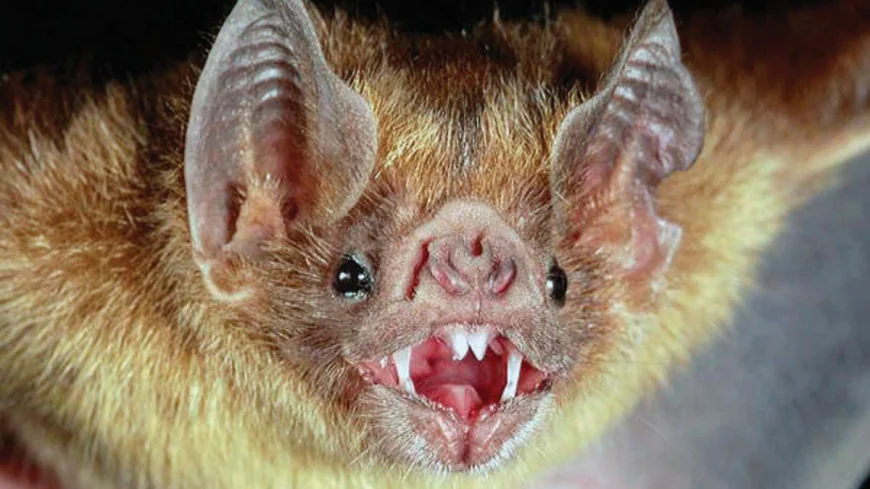
Rabies Bats has become a widely searched topic following several recent incidents involving bats and rabies that have prompted health officials to remind the public about the importance of avoiding direct contact with wild bats. Although most bats do not have rabies, experts emphasize that any bite, scratch, or even close physical contact with a bat should be evaluated by a healthcare professional because rabies is almost always fatal once symptoms begin—but it is highly preventable if treated promptly after exposure.
Why Are Rabies Bats Making Headlines?
Recent reports have renewed attention on bat-related rabies risks.
One widely reported medical case involved an 11-year-old boy in Ontario, Canada, who died from rabies after waking to find a bat on his face while sleeping. Because there were no visible bite or scratch marks, the family did not seek immediate medical care. Doctors later explained that tiny bat bites can sometimes go unnoticed, making prompt medical evaluation essential after any direct bat contact.
In another recent case, a 6-year-old girl in Wisconsin was bitten by a bat that later tested positive for rabies. She received prompt post-exposure treatment, including rabies vaccination, and health officials said early medical care was critical in preventing infection.
What Is Rabies?
Rabies is a viral disease that attacks the brain and nervous system of mammals.
The virus is usually spread through the saliva of an infected animal, most commonly by a bite. Once symptoms appear, rabies is almost always fatal. However, prompt treatment before symptoms develop is highly effective at preventing the disease.
Do All Bats Carry Rabies?
No.
Health authorities emphasize that most bats are not infected with rabies and play an important role in ecosystems by controlling insect populations and supporting biodiversity.
However, because it is impossible to determine whether a bat has rabies simply by looking at it, experts recommend avoiding direct contact with any bat.
How Can Rabies Spread From Bats?
Rabies can spread when saliva from an infected bat enters the body through:
Bat Bites
Even very small bites may transmit the virus and may not always be easy to notice.
Bat Scratches
Although less common, scratches contaminated with infected saliva may also present a risk.
Saliva Contact
If infected saliva comes into contact with the eyes, mouth, nose, or an open wound, medical evaluation is recommended.
Symptoms of Rabies
Symptoms usually do not appear immediately and may develop weeks or months after exposure.
Early symptoms can include:
- Fever
- Headache
- Fatigue
- Tingling or pain near the exposure site
As the disease progresses, symptoms may include:
- Difficulty swallowing
- Muscle spasms
- Confusion
- Hallucinations
- Paralysis
Once clinical symptoms begin, survival is extremely rare.
What Should You Do After Contact With a Bat?
Health authorities recommend taking every bat exposure seriously.
If you have direct physical contact with a bat:
- Wash any bite or scratch immediately with soap and running water.
- Seek medical care as soon as possible.
- If it can be done safely, contact local animal control or public health officials so the bat can be tested.
- Do not handle bats with bare hands.
How Can You Prevent Rabies From Bats?
Reducing the risk of exposure is the best form of protection.
Helpful prevention measures include:
Avoid Handling Wild Bats
Never pick up a bat with bare hands, even if it appears injured or dead.
Keep Bats Out of Homes
Seal openings that may allow bats to enter attics or living spaces.
Vaccinate Pets
Keeping dogs, cats, and other eligible pets vaccinated helps reduce the risk of rabies transmission.
Teach Children to Stay Away From Wildlife
Children should be encouraged to avoid touching bats or other wild animals and to tell an adult if they find one.
Why Public Health Officials Continue to Monitor Bats
Bats are an important part of nature, but they are also one of the primary wildlife species associated with rabies in several countries.
Health agencies continue to monitor bat populations and test animals suspected of carrying the virus to help protect both people and pets. Public education remains one of the most effective tools for preventing rabies infections.
Rabies Bats
Rabies Bats remains an important public health topic following recent bat-related rabies cases. While the majority of bats do not carry the virus, experts say any direct contact with a bat should be treated seriously because rabies can be prevented if medical care is received before symptoms begin. Health authorities continue to urge the public to avoid handling bats, keep pets vaccinated, and seek immediate medical advice after any possible exposure.